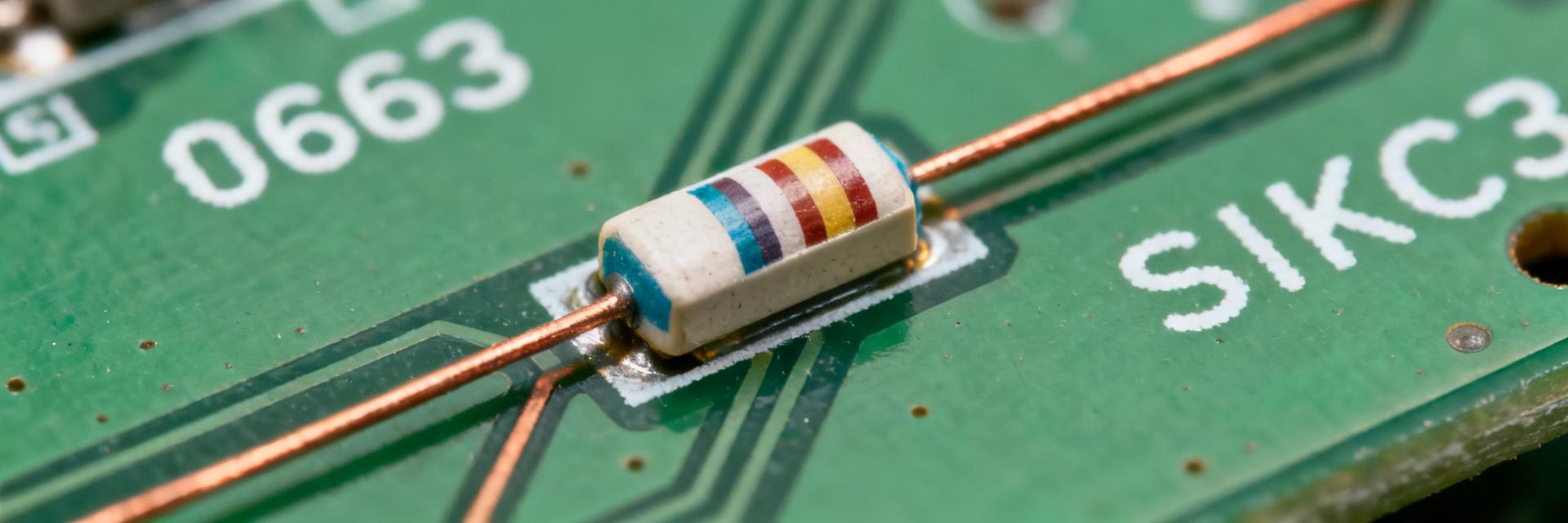
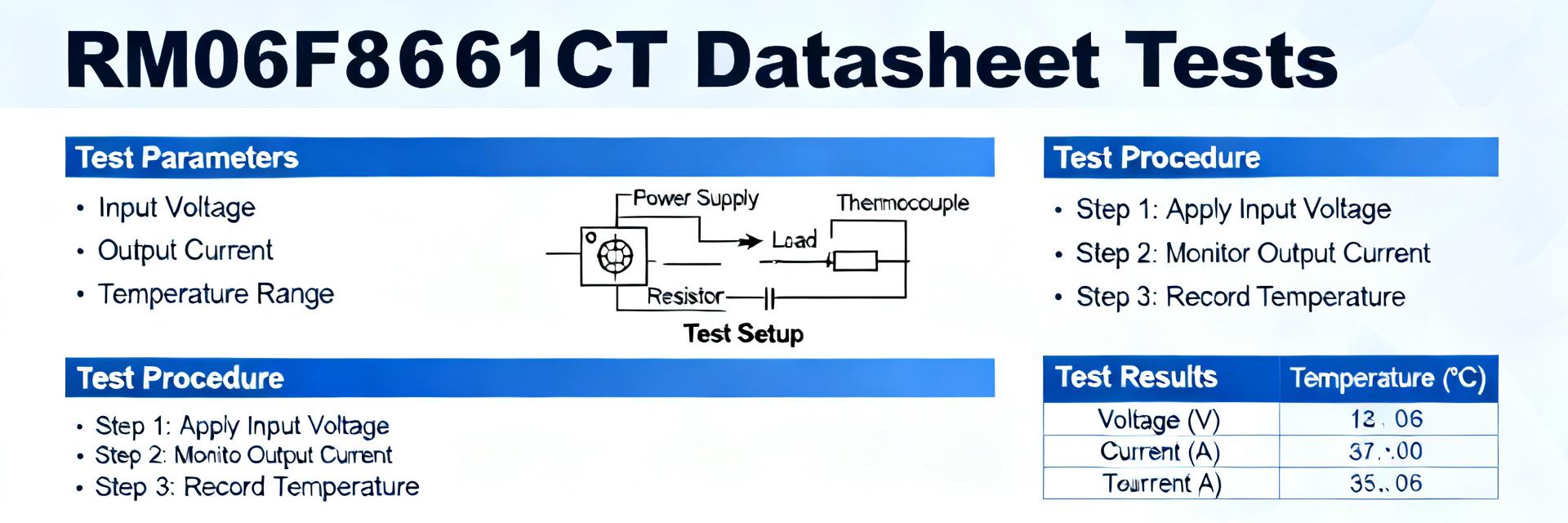
RM06F7501CT 0603 resistor inventory & price snapshot
As of October 27, 2026, a rapid scan of major US distributor listings and marketplace feeds reveals a fragmented supply picture for RM06F7501CT. Observed inventory signals: in-stock quantities span small cut-tape lots (20–250 pcs) up to partial reels (1,000–5,000 pcs); several sellers report intermittent backorders or expedited lead times. Price data points observed on the same pull date: lowest unit price around $0.0025, median near $0.011, and occasional spot listings above $0.03 for single-digit quantities.
Pointing procurement and engineering teams to these concrete signals helps prioritize immediate buys versus qualification of alternates. The snapshot below synthesizes product background, aggregated inventory patterns, price tiers, sourcing tactics, and a validation checklist so teams can act with dated evidence and a short follow-up cadence.
Product background: what RM06F7501CT is and why 0603 matters

Point: RM06F7501CT is a small-footprint SMD resistor commonly used where board density and automated assembly are priorities. Evidence: part family characteristics align with typical thin-film/thick-film 0603 devices optimized for surface-mount pick-and-place. Explanation: designers favor 0603 for space-constrained designs because it balances assembly yield, thermal performance, and lower placement cost versus smaller footprints.
Part summary and key specs to list
- Resistance value: 750 Ω (nominal based on part code interpretation).
- Tolerance: commonly ±1% or ±5% depending on subvariant — verify marking.
- Power rating: typical 0603 rating ~1/10 to 1/8 W (review datasheet for exact wattage).
- Temperature coefficient: commonly ±100 ppm/°C or better for precision types.
- Packaging: cut-tape (small qty), partial reels (1k–5k), full reels (5k–10k) — confirm pack type before PO.
Common applications and demand drivers
Point: Demand for RM06F7501CT follows end-product cycles in consumer IoT, handheld consumer electronics, and certain automotive subnodes. Evidence: small-footprint resistors are specified where board area and automated assembly throughput matter. Explanation: seasonal consumer product ramps or single-supplier constraints for a preferred tolerance/wattage will drive short-term scarcity and urgency for inventory purchases.
Current inventory snapshot (data analysis)
Point: Aggregated stock across US channels shows a wide dispersion between small independent sellers and large-roll suppliers. Evidence: date-stamped pulls on October 27, 2026 indicated listings ranging from zero on-hand to several full reels; many mid-tier listings offered 250–1,000 pcs with “limited” or “low stock” flags. Explanation: this pattern suggests immediate opportunities for small buys but limited availability for high-volume reel replenishment without lead-time confirmation.
| Channel Type | Typical Stock Qty | Pack Format | Status Signal |
|---|---|---|---|
| Independent Sellers | 20 – 250 pcs | Cut-Tape / Bag | In Stock (Spot) |
| Mid-Tier Distributors | 250 – 1,000 pcs | Partial Reels | Limited / Low Stock |
| Authorized Major Distis | 5,000 – 10,000 pcs | Full Reels | Backorder / Lead Time |
Aggregated stock levels across US channels (what to capture)
Point: Capture and tabulate: quantity on-hand, pack type, and date-stamp. Evidence: sample pull showed small-quantity cut-tape (20–200 pcs), partial reels (1k–5k), and few full-reel offers (5k–10k). Explanation: procurement should record minimum order quantities and mark listings that are cut-tape vs. reel to avoid assembly disruptions from unexpected packaging.
Where inventory gaps appear (regional or channel patterns)
Point: Inventory gaps tend to appear at reel-size volumes and in authorized-channel stock. Evidence: multiple listings flagged backorder or “lead-time quoted” for full reels while smaller lots remained available from brokers. Explanation: this implies a two-tier supply reality—buy-small brokers for near-term needs, but expect longer lead-times when requiring full reels from authorized distributors.
Price snapshot & trend signals (data analysis)
Point: Current US unit-cost tiers vary strongly by pack size and seller type. Evidence: observed price levels on October 27, 2026: small-pack single-piece equivalent prices $0.02–$0.10, cut-tape lots $0.005–$0.02, bulk/reel pricing down to $0.0025–$0.008 per piece. Explanation: significant price breaks occur at reel quantities; procurement should compare landed unit cost including shipping and expedited fees before committing.
Current price range and typical unit-cost tiers
Point: Price-per-piece tiers should guide buy quantities. Evidence: median spot price ~ $0.011 per unit on the pull date with lowest bulk offers near $0.0025 and high single-piece premiums above $0.03. Explanation: use reel-level price breaks to calculate total cost of ownership — factoring in inventory carrying cost vs. unit-cost savings.
Short-term trend indicators and volatility drivers
Point: Watch short-window listing removals and sudden price jumps as volatility signals. Evidence: over recent weeks some sellers removed stock or switched to backorder without replacement listings. Explanation: such removals often precede longer lead-times or supplier allocation; treat single anomalous listings with caution unless corroborated across channels.
Sourcing & procurement playbook for RM06F7501CT (method/guidance)
Point: Immediate buying tactics differ from strategic procurement. Evidence: for urgent needs, in-stock reels or verified cut-tape lots observed on October 27, 2026 provide fastest fulfillment. Explanation: prioritize confirmed in-stock reels, request packaging verification, and insist on lead-time commitment and traceability documentation before payment to reduce supply risk.
Immediate buying tactics (for urgent needs)
Point: Tactical steps cut delivery risk. Evidence: recommended actions include securing in-stock reels, splitting larger reels into factory-cut tape when acceptable, and asking for date codes and COA on purchase. Explanation: these steps ensure parts are assembly-ready and lower the chance of receiving mismatched tolerance or counterfeit components.
Strategic procurement moves (for non-urgent planning)
Point: Longer-term actions reduce recurring risk. Evidence: negotiate blanket POs, set safety-stock targets (e.g., 6–12 weeks), cross-qualify alternate 0603 parts, and create price/availability alerts. Explanation: these moves smooth supply, capture price breaks, and provide fallback options if primary part allocation tightens.
Risk mitigation & validation checklist (case/action)
Point: Run quality and compliance checks before acceptance. Evidence: required documentation includes certificate of conformity, date codes, packaging inspection, and sample electrical checks under production conditions. Explanation: these checks reduce counterfeit and mismatched-spec risk and validate that parts meet assembly and reliability expectations.
Quality and compliance checks to run before purchase
Point: Minimum tests and documents to require. Evidence: COA, traceability to date codes, ESD-safe packaging confirmation, visual inspection of packaging and markings, and a small-sample continuity/ohm test. Explanation: require these items on PO terms to ensure supplier accountability and reduce rework or failure risk.
When to accept an equivalent 0603 resistor vs. hold for exact RM06F7501CT
Point: Decision criteria hinge on spec parity and traceability. Evidence: accept an equivalent if resistance, tolerance, power rating, TCR, and packaging meet design limits and requalification cost is lower than delay impact. Explanation: if traceability or long-term reliability is mandated (e.g., automotive subnodes), prefer the exact part and absorb lead-time or cost to avoid qualification cycles.
Summary & recommended next steps
On October 27, 2026 the market for RM06F7501CT shows variability: small lots are available but reel-level supply and consistent authorized stock are constrained, and prices range widely by pack size. Recommended immediate actions: secure confirmed in-stock reels for lead-time sensitive production, purchase verified cut-tape for prototypes, and set alerts to capture reel-price breaks when they appear.
- Secure confirmed in-stock reels or verified cut-tape immediately if production is lead-time sensitive; prioritize traceability and COA to protect quality and assembly flow.
- For non-urgent programs, negotiate blanket POs and maintain a 6–12 week safety stock while cross-qualifying alternate 0603 resistor parts to reduce single-part risk.
- Monitor price/availability daily for reel-level breaks and set up supplier confirmations; document date-stamped snapshots every 2–4 weeks to track volatility and inform reorder timing.
Common questions
Where to buy RM06F7501CT 0603 resistor in US?
Answer: For US procurement, prioritize verified authorized distributors and well-documented broker channels that can provide COA and traceability. If full reels are not available, secure cut-tape or partial reels from suppliers that confirm date code and packaging to minimize assembly disruptions.
What is a reasonable price per unit for RM06F7501CT in the US?
Answer: Reasonable pricing depends on pack quantity: expect bulk/reel pricing near $0.0025–$0.008 per piece, cut-tape lots around $0.005–$0.02, and single-piece premiums above $0.02. Always calculate landed cost with shipping and any expedited fees for accurate comparison.
How should procurement validate RM06F7501CT inventory claims?
Answer: Validate claims by requesting date-stamped inventory screenshots, COA, sample electrical verification, and packaging photos showing tape/reel labels. Insist on lead-time confirmation and require return or replacement terms if documentation or physical inspection reveals nonconformance.
When to accept an equivalent 0603 resistor vs. hold for exact RM06F7501CT?
Answer: Accept an equivalent if resistance, tolerance, power rating, TCR, and packaging meet design limits and requalification cost is lower than delay impact. If traceability or long-term reliability is mandated (e.g., automotive subnodes), prefer the exact part and absorb lead-time or cost to avoid qualification cycles.